Articles
  • Products
  • Services
  • Customer stories
  • Blog
  • Support
  • Company
Talk to sales
Articles
  • Products
  • Services
  • Customer stories
  • Blog
  • Support
  • Company
Talk to sales
Articles
  • Products
  • Services
  • Customer stories
  • Blog
  • Support
  • Company

Server‑Guided Ad Insertion (SGAI): How It Works

Personalized advertising is no longer just a VOD feature. With SGAI, it’s possible to insert targeted ads in live streams while keeping latency under control. Traditional SSAI vs. SGAI Server‑Side Ad Insertion (SSAI) traditionally stitches ads into streams before delivery. This works well for VOD but creates challenges

What’s New in FFmpeg 8.0 for Video Pipelines

FFmpeg remains the Swiss Army knife of media processing. Version 8.0, released in 2025, delivered several updates worth attention for broadcast and streaming workflows. Whisper Integration The standout feature is Whisper support for speech recognition. This opens doors for captions, search, and compliance — all inside the same pipeline. Codec

FFmpeg 8.0 + Whisper: Clear Speech‑to‑Text Workflows

FFmpeg 8.0 introduced native integration with Whisper, the open‑source speech recognition model. For engineers, this creates a straightforward way to add transcription and captions directly inside familiar pipelines. Why It Matters Transcription is no longer just an accessibility requirement — it’s key for search, compliance, and content repurposing.

Migrating from SDI to IP: A No‑Nonsense Checklist

The move from SDI to IP is no longer experimental. Many broadcasters are in the middle of migration or have already completed it. Success depends on careful planning and methodical execution. Here’s a no‑nonsense checklist for teams making the switch. Assess Current Infrastructure Start by mapping your facility:

Building a Small ST 2110 Lab: Minimum Viable Setup

Learning ST 2110 requires hands-on experience. Building a small lab gives engineers a safe environment to test, experiment, and make mistakes before going live. The good news is that a useful lab doesn’t need massive investment. Core Components At minimum, you need: - A switch that supports multicast, PTP,

Multicast & QoS for 2110 Networks: The Short Guide

Moving uncompressed video over IP is only possible with multicast and proper QoS. In 2025, these are well understood, but new engineers still face a learning curve. This guide outlines the essentials. Why Multicast? Uncompressed 4K video can exceed 12 Gbps. Sending that as unicast to multiple receivers would flood

PTP for Media: AES67 and ST 2059-2 Essentials

Precision Time Protocol (PTP) is the heartbeat of IP-based media systems. Without accurate timing, ST 2110 flows fall out of sync, audio drifts, and video frames misalign. By 2025, understanding how AES67 and ST 2059-2 use PTP is table stakes for broadcast engineers. Why Timing Matters In SDI, timing was

IPMX vs. ST 2110: Where Each Fits

Both IPMX and ST 2110 aim to move video, audio, and data over IP, but they serve different audiences. In 2025, understanding where each fits is essential for making the right technology decisions. ST 2110 in Broadcast ST 2110 was designed for professional broadcast and production. It emphasizes precision timing,

NMOS IS-08: Audio Channel Mapping You Can Rely On

Audio routing in IP-based facilities is more flexible than anything SDI could deliver, but it comes with complexity. NMOS IS-08 was designed to make audio channel mapping manageable in large-scale deployments. By 2025, it’s a core part of any serious ST 2110 environment. Why Audio Mapping Matters Video usually

NMOS IS-04/IS-05: Discovery and Connection Basics

Running an IP-based plant without NMOS is like trying to manage SDI without a router. ST 2110 provides the transport, but NMOS specifications make it operable. In 2025, IS-04 and IS-05 are widely deployed to handle discovery and connection in professional media networks. Why Discovery Matters In an SDI world,

When to Use ST 2110-22 (JPEG XS) in Live IP

ST 2110 was designed to move broadcast facilities away from baseband cabling into flexible, IP-based media transport. The early focus was on uncompressed video, audio, and ancillary data, but that approach comes with a heavy bandwidth cost. UHD signals quickly overwhelm even 100-gig networks when multiplied across dozens of feeds.

SMPTE ST 2110 in 2025: A Practical Overview

ST 2110 has moved from being a disruptive concept to a daily reality. In 2025, it underpins live production environments across broadcast facilities, sports venues, and even corporate studios. What makes it significant is not just the replacement of SDI, but the flexibility it brings when properly engineered. From SDI

How a Studio Works: A Look at the Software Behind the Scenes

How a Studio Works: A Look at the Software Behind the Scenes

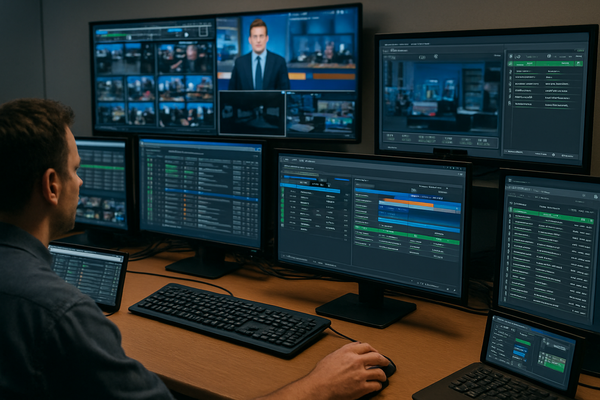
When you think of a TV studio or video production environment, it’s easy to picture cameras, lights, and people wearing headsets. But just as important—and sometimes more critical—is the software that powers the entire workflow. From scheduling and playout to graphics and media asset management, software is

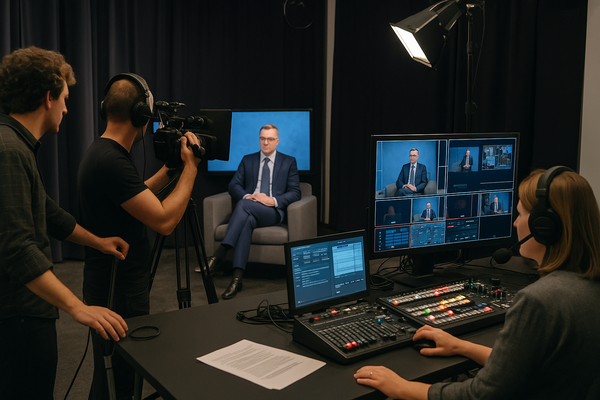
How a Studio Functions When Each Shot Is Being Taken

How a Studio Functions When Each Shot Is Being Taken

A studio shoot might look calm from the outside, but behind every shot, there’s a small army of people making it happen. Lights, cameras, audio, graphics, direction—it’s all tightly choreographed, whether it's a talk show, news broadcast, or scripted production. Here's a breakdown
A Guide to Understanding What a MAM System Is
MAM

A Guide to Understanding What a MAM System Is

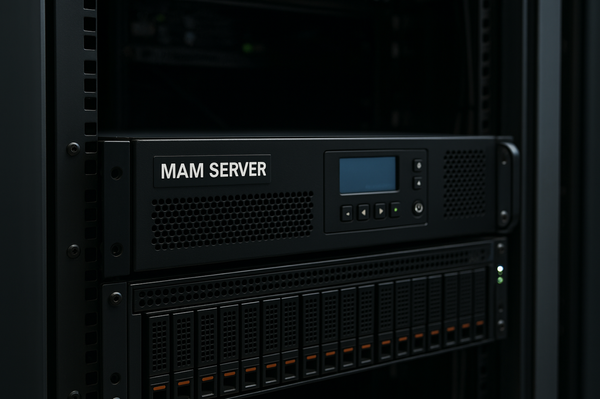
A Media Asset Management (MAM) system is a centralized platform designed to manage, organize, and retrieve media files such as videos, images, and audio. It provides a repository where media assets can be stored, tagged with metadata, and accessed by authorized users, facilitating seamless content management and distribution. Why Are

Why Do You Need a Broadcast Management System (BMS)?

Why Do You Need a Broadcast Management System (BMS)?

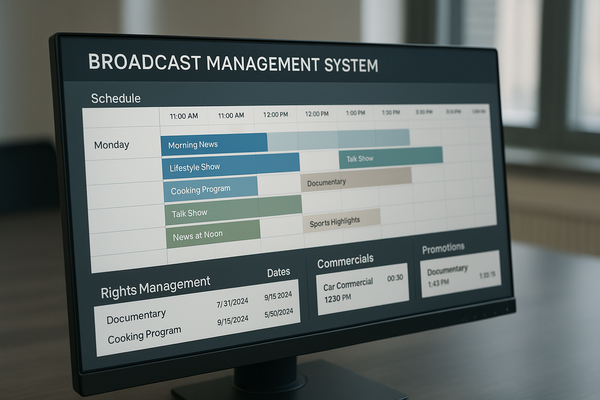
If you're running a TV channel or managing content for multiple platforms, you already know that keeping track of everything—schedules, rights, ads, promos, media files—can get messy fast. That’s where a Broadcast Management System, or BMS, comes in. It doesn’t matter whether you’re

What Makes a Good Video SDK for Developers?

What Makes a Good Video SDK for Developers?

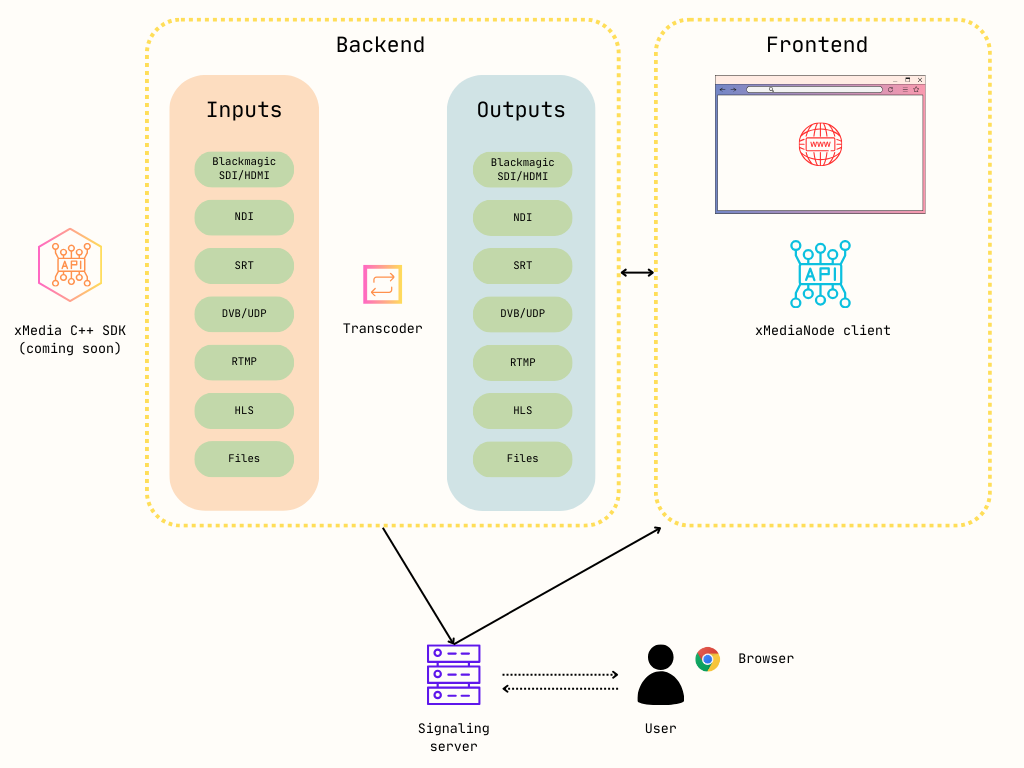
In the fast-paced world of broadcasting and video technology, developers rely on Software Development Kits (SDKs) to build reliable, scalable, and innovative applications. But with a myriad of options on the market, how do you choose a video SDK that meets your needs and sets your project up for success?

5 Ways to Optimize Video Encoding for Better Quality and Speed
Encoding

5 Ways to Optimize Video Encoding for Better Quality and Speed

In the broadcasting and video production industry, video encoding is a critical process. It determines not only the quality of the video but also the efficiency of your workflows. Striking the right balance between quality and speed can make a significant difference, especially when working with tight deadlines or bandwidth

SMPTE Standards Every Broadcaster Should Know
Broadcasting

SMPTE Standards Every Broadcaster Should Know

The Society of Motion Picture and Television Engineers (SMPTE) plays a vital role in setting standards for the broadcasting and video industry. For over a century, SMPTE has provided the technical foundation for innovations in motion imaging, ensuring compatibility and fostering technological progress. Whether you're a seasoned professional

Mastering Video Codecs: H.264, H.265, and AV1 Compared
Transcoding

Mastering Video Codecs: H.264, H.265, and AV1 Compared

Video codecs are at the heart of modern digital video, influencing how files are compressed, stored, and streamed. Whether you’re a professional broadcaster or a video enthusiast, understanding the differences between H.264, H.265, and AV1 can help you make better decisions. Let’s explore what sets these

Top 10 Broadcasting Trends in 2024
Trends

Top 10 Broadcasting Trends in 2024

The broadcasting industry is evolving rapidly, with new trends shaping how content is created, distributed, and consumed. Here are the top 10 broadcasting trends to watch in 2024: 1. AI-Driven Automation Artificial intelligence is transforming broadcasting workflows. From automating editing processes to analyzing audience data for personalized content delivery, AI

What Are ICE, STUN, and TURN?
WebRTC

What Are ICE, STUN, and TURN?

WebRTC (Web Real-Time Communication) has become the backbone of real-time communication applications, enabling video calls, live streaming, and collaborative tools. However, establishing a connection between two devices isn’t always straightforward, especially when dealing with firewalls or NAT (Network Address Translation). This is where ICE, STUN, and TURN come into

Sustainability in Broadcasting: Green Practices and Innovations
Broadcasting

Sustainability in Broadcasting: Green Practices and Innovations

In today’s broadcasting industry, sustainability is more than a buzzword—it’s a responsibility. As viewers demand eco-consciousness across sectors, broadcasters and video professionals are adopting innovative green practices to reduce their environmental footprint. Let’s explore how the industry is evolving to meet these challenges. The Environmental Impact

Mastering Transcoding in Broadcast Workflows

Mastering Transcoding in Broadcast Workflows

In the world of broadcasting, video content reigns supreme. Whether it’s a live sports event, a breaking news broadcast, or an on-demand streaming series, the secret to delivering top-notch video lies in transcoding. But what is transcoding, and why does it play such a crucial role in broadcast workflows?

The Importance of Low-Latency Protocols in Video Streaming
Low Latency

The Importance of Low-Latency Protocols in Video Streaming

In today’s video streaming landscape, the demand for seamless, real-time communication is at an all-time high. Whether it’s live sports, breaking news, or video conferencing, audiences expect minimal delays between the action and their screens. Low-latency protocols have become essential to delivering this swift and smooth experience without

PRODUCTS

Video SDK Video Transport Direct Take Direct Convert

HELP

Help Center Full-featured support Video SDK Docs Video Transport Docs System requirements Youtube channel

CONTACTS

Contact sales Contact support Privacy Policy

info

Articles © 2026
Powered by Ghost
Facebook Twitter LinkedIn
Our software uses code of FFmpeg licensed under the LGPL version 2.1 and it's source can be downloaded here. FFmpeg is a trademark of Fabrice Bellard, originator of the FFmpeg project. Blackmagic Design, Deltacast, Stream Labs, AJA, Magewell, DecTek, Bluefish444 and other trademarks are property of their respective owners. NDI® is a registered trademark of NewTek, Inc.